
Does a Rotator Cuff Tear Heal Without Surgery?
Understanding the Rotator Cuff
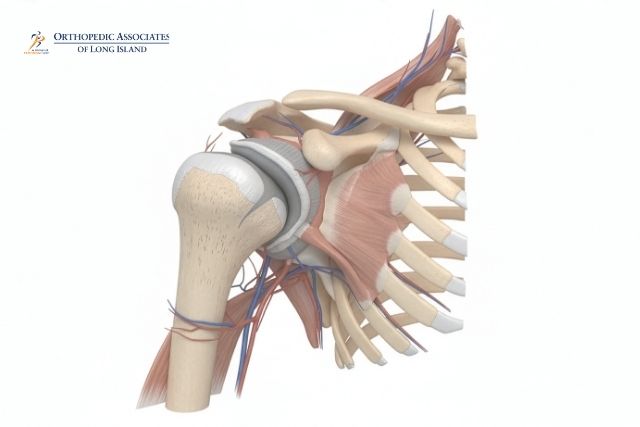
Rotator Cuff Tear Symptoms
- Pain in the shoulder or arm and shoulder
- Weakness when trying to move your arm
- Limited range of motion
- A painful rotator cuff that interferes with sleep
- Difficulty lifting objects or performing work or sports activities
- Clicking or popping in the shoulder joint
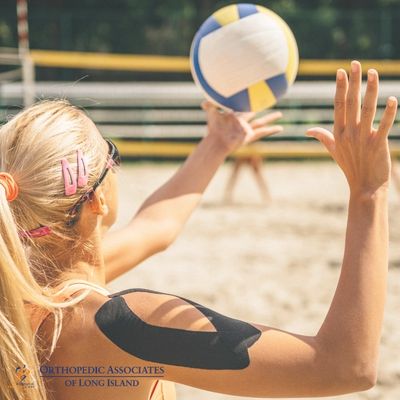
Why Rotator Cuff Tears Happen
- Acute injury from lifting something heavy or falling
- Repetitive overhead movements in work or sports
- Age-related degeneration of the tendons in the shoulder
- Bone spurs that irritate the rotator cuff tendons
- Partial tear – the tendon is damaged but not completely separated.
- Full-thickness tear (or full tear) – the tendon is torn completely from the bone.
Can a Torn Rotator Cuff Heal Without Surgery?
Nonsurgical Treatment Options
Physical Therapy
Activity Modification
Pain Relievers
Arm Sling
When Rotator Cuff Surgery May Be Necessary
- The full-thickness tear is large
- The severity of the tear is significant
- Symptoms persist after months of nonsurgical treatment
- The injury affects shoulder function and daily activities
- The patient has severe tears from a traumatic shoulder injury
Advanced Surgical Options
- Shoulder replacement surgery
- Reverse shoulder replacement
- Replacement surgery for advanced joint damage
Recovery and Time to Heal
- Nonsurgical treatment may take several months to restore strength and flexibility.
- After rotator cuff surgery, patients typically undergo physical therapy for rehabilitation.
- A full recovery may take several months, but many patients regain excellent shoulder function.
Expert Rotator Cuff Care in Port Jefferson
Frequently Asked Questions
Can a rotator cuff tear heal without surgery?
A torn rotator cuff tendon will not reattach to the bone or fully heal on its own, but that does not always mean surgery is required. Many people, especially those with small or partial tears or age-related degenerative tears, successfully manage their pain and regain function with nonsurgical treatment. The goal of conservative care is to relieve symptoms and restore strength rather than to mend the tendon itself.
What are the symptoms of a torn rotator cuff?
Common symptoms include shoulder pain that worsens at night or when lying on the affected side, weakness when lifting or rotating the arm, and difficulty with overhead movements. Some people also notice a crackling sensation when moving the shoulder. Symptoms can appear suddenly after an injury or develop gradually with age and overuse.
What are the nonsurgical treatments for a rotator cuff tear?
Nonsurgical treatment typically includes rest and activity modification, physical therapy to strengthen the surrounding muscles, anti-inflammatory medication, and in some cases a corticosteroid injection to reduce pain and inflammation. A structured physical therapy program is the foundation of conservative care and helps many people avoid surgery.
How long does it take to recover from a rotator cuff tear without surgery?
Recovery varies, but many people notice meaningful improvement within six to twelve weeks of consistent physical therapy and activity modification. More significant tears may take several months to reach maximum benefit. Because the tendon does not fully heal on its own, ongoing strengthening helps maintain the gains.
Can you live with a torn rotator cuff without surgery?
Yes. Many people live comfortably with a rotator cuff tear by managing it nonsurgically, particularly when the tear is small, symptoms are mild, or shoulder demands are low. It is important to stay under the care of a physician, because untreated tears can enlarge over time and may eventually require surgery if pain or weakness worsens.
When does a rotator cuff tear need surgery?
Surgery is often considered for large or full-thickness tears, acute tears from a specific injury in active individuals, or when several months of nonsurgical treatment have not relieved pain and weakness. Significant loss of strength or function is also a common reason to discuss surgical repair with an orthopedic specialist.